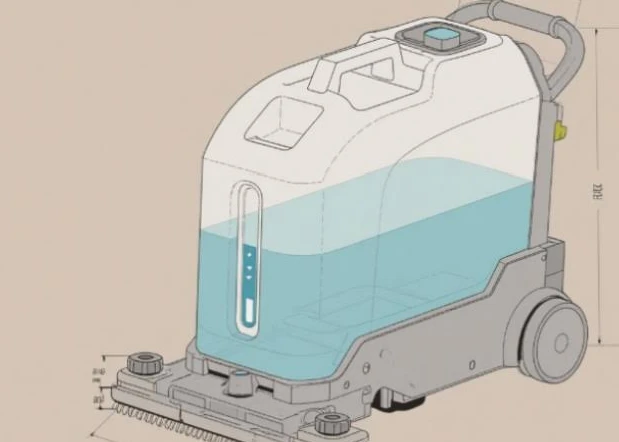
Choosing the right floor scrubber manufacturer requires checking production ability, machine quality, technical support, certification, and long-term service. Buyers should compare factory experience, product testing standards, and operating costs instead of selecting only by price. A supplier with stable manufacturing systems can help reduce maintenance expenses by 20%–40% and provide equipment suitable for different commercial environments.
When companies search for how to choose a floor scrubber manufacturer in China, they usually focus on product price first, but several other factors affect equipment performance after purchase. Commercial floor scrubbers are used in supermarkets, warehouses, airports, hospitals, and factories where machines may operate for several hours every day.
A manufacturer should have clear information about production facilities, engineering teams, quality inspections, and customer support. Companies with more than 5 years of manufacturing experience usually have better knowledge of different market requirements because they have worked with various applications and operating conditions.
Factory capability can be checked through several areas:
| Inspection Area | Information to Review |
|---|---|
| Manufacturing history | Years producing cleaning equipment |
| Factory size | Production area and assembly capacity |
| Output capacity | Monthly and annual machine production |
| Engineering team | Product improvement and technical support |
| Export experience | International customer service ability |
A factory with organized production procedures can usually provide more stable delivery schedules. After confirming manufacturing ability, buyers should review the machine types and technical specifications because different facilities require different cleaning solutions.
Floor scrubbers are designed for different working areas. Small stores may use compact walk-behind machines with a cleaning width of 350–550 mm, while large warehouses often require ride-on models with cleaning widths above 800 mm. The correct machine size affects cleaning speed, labor requirements, and daily operating costs.
For example, a warehouse covering 10,000 square meters may require a machine with a larger water tank and longer operating time compared with a small office building. Many commercial models provide 3–6 hours of working time per charge, depending on battery capacity, floor condition, and cleaning settings.
A suitable machine should match the cleaning area, working frequency, and available maintenance resources rather than simply having the highest specifications.
Machine components also influence long-term reliability. Buyers should examine motors, brushes, suction systems, controllers, batteries, and water tanks before placing orders. A small difference in component quality can affect repair frequency after several months of operation.
Battery selection is especially important because many floor scrubbers rely on electric power. Lithium-ion batteries have become more common since 2015 because they generally provide faster charging and longer service cycles compared with traditional lead-acid batteries.
| Component | Items to Check |
|---|---|
| Battery | Capacity, charging time, cycle life |
| Motor | Power output and operating stability |
| Brush system | Cleaning width and replacement cost |
| Suction system | Water recovery performance |
| Controller | Electrical protection and reliability |
After reviewing machine structure, buyers should examine quality management. Commercial cleaning equipment faces daily exposure to water, chemicals, dust, and mechanical vibration. Manufacturers need inspection procedures that identify problems before machines leave the factory.
A professional quality process may include:
-
Material inspection before assembly.
-
Electrical system testing.
-
Water leakage checks.
-
Cleaning performance tests.
-
Final operation inspection before shipment.
Manufacturers using standardized quality systems can maintain more consistent production results. For example, suppliers that test every completed machine before delivery can reduce product-related complaints compared with suppliers that only inspect random samples.
Certification documents also need verification. Different markets have different requirements for electrical safety, environmental standards, and workplace equipment. European customers often request CE documentation, while other regions may require additional testing reports.
However, certificates should be reviewed together with product information, customer feedback, and warranty policies. A document alone does not show how a machine performs after months of daily use.
Supplier experience in international markets can provide additional information. Manufacturers serving cleaning companies, distributors, and facility management businesses usually understand requirements related to packaging, spare parts, shipping, and technical communication.
Companies interested in expanding their cleaning equipment business can review suppliers that provide distributor programs, product training, and marketing assistance. For example, businesses can learn more about supplier support options through this page: why choose us.
A supplier supporting distributors should provide more than equipment delivery. Training materials, operation manuals, spare parts availability, and repair guidance help customers maintain machines after purchase.
Communication quality should also be tested before cooperation. Buyers can evaluate response speed, technical knowledge, and document accuracy during the quotation stage. A manufacturer that provides detailed answers about machine specifications can reduce misunderstandings during production and shipment.
Important communication points include:
| Topic | Questions |
|---|---|
| Customization | Can colors, logos, or packaging be adjusted? |
| Spare parts | Are replacement components available? |
| Warranty | What parts and periods are covered? |
| Technical support | Is remote assistance available? |
| Delivery | What is the standard production time? |
Price comparison should include the total cost during equipment use. A machine with a lower purchase price may require more frequent repairs or replacement parts, increasing expenses over several years.
A simple comparison:
| Cost Factor | Supplier A | Supplier B |
|---|---|---|
| Purchase price | Lower | Higher |
| Maintenance frequency | Higher | Lower |
| Service life | Shorter | Longer |
| Spare parts access | Limited | Stable |
A price difference of 10%–15% at purchase may create a larger difference in operating expenses after 3–5 years. Buyers should calculate maintenance, battery replacement, labor efficiency, and machine lifespan.
Factory inspection is another useful method before signing large orders. A physical visit or online factory review allows buyers to check production areas, inventory management, testing equipment, and employee procedures.
Many companies perform supplier evaluations before cooperation because equipment quality directly affects customer satisfaction. A review process covering production, testing, and service information can reduce purchasing risks by more than 20%.
After-sales support should be discussed before purchasing. Floor scrubbers are often used daily, so delayed repairs can affect cleaning schedules. A reliable manufacturer should explain warranty coverage, technical support methods, and spare part supply periods.
Buyers should ask:
-
How long can spare parts be supplied?
-
What is included in the warranty?
-
Are maintenance instructions available?
-
Can technicians provide remote support?
-
How quickly can replacement parts be shipped?
Selecting a floor scrubber manufacturer requires comparing production ability, equipment design, quality systems, service support, and long-term cooperation conditions. Manufacturers that provide stable products, clear communication, and complete after-sales support are more suitable for commercial buyers and distributors.